Pinterest has launched Ask Pinterest, an experimental AI shopping app built to test a more conversational way of finding products, planning purchases, and exploring ideas. The limited-access tool is designed as a standalone web experience, giving Pinterest room to test AI-powered discovery without immediately changing the main Pinterest app.
The launch shows how Pinterest is trying to protect its place in online shopping as AI search engines, chatbots, and commerce platforms compete for the same discovery moments. For years, Pinterest has been used as a visual planning tool for home decor, fashion, recipes, gifts, weddings, travel, and lifestyle ideas. Ask Pinterest pushes that behavior into a more direct question-and-answer format.
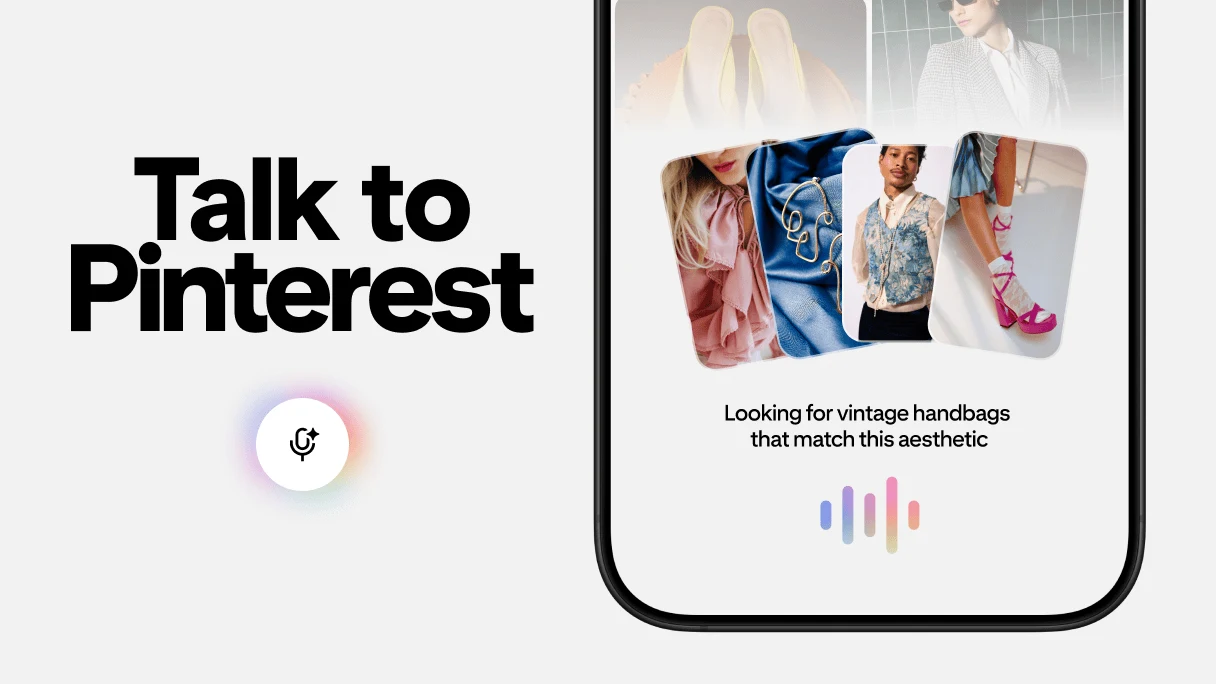
Instead of typing short keywords into a search box, users can ask broader questions in natural language. The app can then respond with personalized recommendations based on Pinterest’s visual discovery system, its Taste Graph, and, when users are signed in, their saved Pins and Boards.
A Shopping Assistant Built Around Taste
Ask Pinterest is not designed for simple product searches alone. Its strongest use case is for shopping and planning questions that involve style, budget, and personal preferences.
A user may ask for help planning a dinner party, choosing a thoughtful gift, decorating a room, or finding items that match a specific aesthetic. These are not always clean keyword searches. They often involve several decisions at once, such as price, mood, color, occasion, and taste.
That is where Pinterest sees an opening. The company already has a large amount of visual and intent-based data from user activity. Its Taste Graph helps connect people with interests, aesthetics, and planning signals. Saved Pins and Boards add another layer of personalization, allowing Ask Pinterest to respond based on what a user has already liked, saved, or organized.
This could make the app feel different from a generic shopping chatbot. Rather than starting from a blank prompt, Ask Pinterest can use a person’s visual history to shape its answers.
Why Pinterest Kept It Separate
Pinterest’s decision to launch Ask Pinterest outside the main app is important. The core Pinterest experience is already familiar to hundreds of millions of users. People open it to browse, save, compare, and return to ideas over time. Adding a full AI shopping assistant directly into that flow could change how the platform feels.
By testing Ask Pinterest separately, the company can experiment with answer formats, visual recommendations, memory, shopping flows, and conversational prompts without disrupting regular users. It also gives Pinterest more flexibility while the AI shopping category is still taking shape.
Consumers may want AI help for complicated decisions, but that does not mean they want every search or browsing session to become a chatbot exchange. A standalone test lets Pinterest learn where AI feels useful and where the older visual browsing model still works better.
New AI Tools for Advertisers
Ask Pinterest arrived alongside a wider set of AI features for advertisers, showing that Pinterest’s AI strategy is not limited to consumers.
One of the new tools is Business Assistant, an AI helper inside Ads Manager and mobile. It is meant to help advertisers understand trends, campaign performance, and optimization opportunities. Instead of only giving written explanations, the assistant is designed to show visual outputs such as trend graphs and top-performing Pins.
Pinterest also introduced Pinterest MCP, an infrastructure layer that connects campaign, analytics, and keyword data with outside AI copilots and agentic tools. This means agencies and brands may be able to work with Pinterest data inside the AI systems they already use, rather than depending only on Pinterest’s own interface.
The company is also improving Performance+ creative tools. A new model can evaluate multiple ad creative versions and select the one most likely to perform for each impression. In testing, Pinterest said this approach increased click volume compared with its older single-variant model.
Why This Matters
Pinterest is trying to solve a familiar business challenge: turning inspiration into measurable shopping activity. The platform has a large audience, but its value depends on helping users move from saving ideas to buying products, booking services, or acting on plans.
AI could help close that gap. If Ask Pinterest can understand vague intent, personal style, budget limits, and saved visual preferences, it may become a more useful bridge between discovery and purchase.
The timing also matters because AI shopping is becoming more competitive. Search engines, social platforms, commerce companies, and AI assistants are all trying to own the moment when a user asks what to buy or how to plan something. Pinterest’s advantage is that many users already arrive before they know exactly what they want. They are looking for inspiration first, which gives Pinterest a stronger starting point than a traditional product search.
The Risk of Losing the Human Feel
The challenge is balance. Pinterest has already faced frustration from users who feel AI-generated content is becoming more visible on the platform. If Ask Pinterest feels too automated, too generic, or too heavily shaped by advertising, it could weaken the human-curated quality that made Pinterest useful in the first place.
There is also a privacy question. The more personalized the assistant becomes, the more it may depend on saved boards, browsing behavior, taste signals, and shopping intent. Pinterest will need to make that usage clear, especially if Ask Pinterest eventually moves into the main app or becomes more connected to advertising tools.
For now, Ask Pinterest is still an experiment. But it points to the company’s larger direction. Pinterest wants to become more than a place to collect ideas. It wants to become an AI-powered shopping and planning platform that can turn visual inspiration into clearer decisions.