Google is pushing back against growing concerns that AI-powered search is cutting traffic to websites, with a senior Search executive saying the company’s AI features now send billions of clicks to publishers every week.
On July 17, 2026, Nick Fox, Google’s senior vice president of Knowledge and Information, said AI features in Search are driving billions of weekly clicks to websites, in addition to the billions of clicks Google says Search sends to the web each day. His message was clear: Google believes AI Search is expanding search activity rather than shrinking the open web.
Fox said people are searching more because AI lets them ask broader and more complex questions. He argued that when users can ask anything on their mind, Search creates more opportunities for discovery, not fewer.
The statement marked one of Google’s clearest public attempts to defend AI Search against criticism from publishers, SEOs and media companies.
Google Defends AI Search
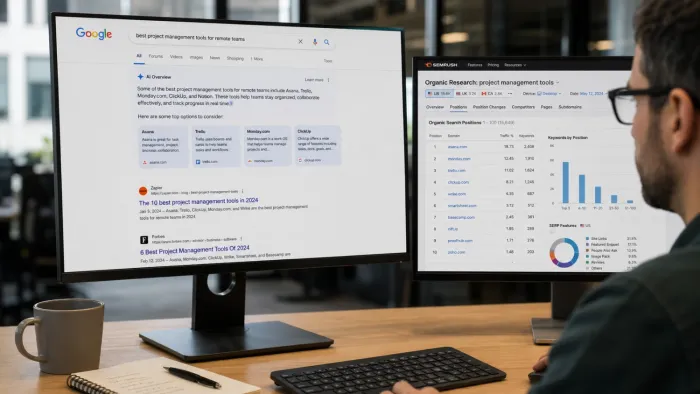
The post appeared as Google continues to rebuild Search around AI Overviews and AI Mode. These features summarize information directly inside the results page, often with links to supporting sources.
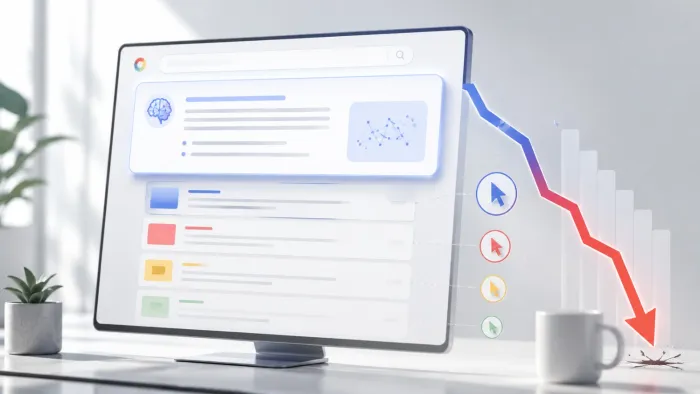
The concern from publishers is simple. If Google answers the question on the search page, fewer users may click through to the websites that produced the original information.
Fox addressed that fear directly. His argument is that AI Search does not remove clicks from the web. Instead, it changes how people search, increases query volume and sends meaningful traffic to websites through AI-generated results.
That message fits Google’s broader positioning. The company has repeatedly argued that AI features improve Search by helping users ask better questions, explore topics more deeply and discover sources they may not have found through traditional keyword searches.
The Missing Detail
The pushback from the search industry is focused less on whether Google sends any clicks and more on what the numbers actually mean.
Google’s “billions of clicks” claim sounds large, but it does not include a baseline. The company did not say whether AI Search sends more or fewer clicks than traditional Search did before AI Overviews became common. It also did not explain what share of total search traffic now comes from AI features.
Because the figures are rounded to broad “billions” language, site owners cannot calculate whether AI Search is helping or hurting them at the individual level.
There is also a measurement gap. Search Console does not currently give publishers full click-level visibility into AI Overviews and AI Mode in the way many site owners want. Without clear click data, query data and surface-level reporting, publishers cannot independently verify how much traffic they receive from Google’s AI features.
That makes Google’s claim difficult to evaluate. It confirms that AI Search sends traffic, but not whether publishers are receiving as much traffic as they would have received without AI summaries.
Independent Research Points Lower
Third-party studies have painted a more difficult picture for publishers.
A randomized field experiment involving more than 1,000 U.S. participants found that AI Overviews reduced organic clicks to external websites by nearly 40% on queries where they appeared. Other large-scale keyword research has reported significant click-through declines for top-ranking pages when AI summaries are present.
Another major browsing-data study found that users were less likely to click traditional results when an AI-generated summary appeared and far less likely to click links inside the summary itself.
These findings do not necessarily contradict Google’s claim. Both can be true at the same time. Google may still send billions of clicks overall because Search operates at enormous scale, while individual publishers may still lose click-through rate on searches where AI answers satisfy users directly.
That is the heart of the debate. Aggregate traffic can remain massive while the economics of visibility become worse for many websites.
Why Publishers Are Worried
For publishers, the issue is not only traffic volume. It is control, attribution and business value.
AI Overviews and AI Mode can use web content to produce answers, but users may not always need to visit the original source. A site may help inform the answer and still receive little traffic from that contribution.
This creates pressure on businesses that rely on organic search, including news publishers, review sites, affiliate sites, blogs, education platforms and niche content businesses. Ranking well may no longer guarantee the same level of visits if the search result itself becomes the destination.
The concern is especially strong for informational content. Simple explainers, definitions, comparisons and how-to answers are easier for AI systems to summarize. Content that offers original data, unique tools, first-hand testing, strong reporting or expert judgment has a better chance of giving users a reason to click.
The New Search Reality
Google’s statement shows that the company is aware of publisher anxiety, but it does not settle the debate. The key unanswered question is not whether AI Search sends traffic. It is whether that traffic is enough to support the websites supplying the information.
For site owners, the practical takeaway is clear. AI visibility now matters, but it must be measured carefully. Being mentioned or cited inside an AI answer may help awareness, but the real test is whether that visibility leads to visits, conversions, subscribers or brand value.
Google says AI Search is growing the web. Publishers are asking for the data to prove it.