
My first content brief exists because of a draft I could not publish. In 2019 a freelance writer sent me 1,800 clean, competent words on a keyword we badly wanted, and every one of them answered the wrong question. The search results were full of comparison pages. She had written a how to guide. The rewrite cost us two weeks and most of the goodwill on that contract, and it was entirely my fault, because all I had sent her was a keyword and a word count.
Since then I have written briefs for several hundred articles across SaaS, ecommerce, and local service clients, and I have inherited plenty of terrible ones from agencies too. This guide covers what a content brief actually is, what belongs inside one, what I leave out on purpose, and the exact structure I hand to writers today.
QUICK ANSWER A content brief is a one to two page planning document that tells a writer exactly what to create before drafting begins. It defines the target keyword, search intent, audience, angle, structure, links, and success criteria for a single piece of content, so the first draft lands close to publishable instead of close to a rewrite. |

What Goes Inside a Content Brief
A good brief answers every question a writer would otherwise have to guess at. Guesses are where drafts go wrong, so the brief exists to remove them. These are the nine components I include on every SEO brief, and the reason each one earns its place.

| Component | Why it earns its place |
| 1. Primary keyword and intent | The exact phrase to target, plus one sentence on what the searcher wants. Not just "content brief" but "definition seekers who may build one next." |
| 2. Working title and angle | A draft headline that locks the angle. Writers can improve the wording, but the promise the title makes should not change. |
| 3. Audience snapshot | Three lines maximum. Role, knowledge level, and the situation that sent them searching. This shapes vocabulary more than any tone note. |
| 4. Suggested outline | H2s and key H3s in order. Suggested, not mandated. A writer who spots a better structure should flag it, not silently obey a worse one. |
| 5. Word count range | A range, never a single number. "1,600 to 2,000" tells a writer the depth expected. "2,000 exactly" produces padding. |
| 6. Internal and external links | Three to six internal URLs with suggested anchor context, plus any external sources worth citing. Writers rarely know your site map. |
| 7. Competitors to beat | The two or three URLs currently ranking, with a note on what each misses. The gap is the assignment. |
| 8. Tone and voice notes | Short and concrete. "First person, direct, no hype words" beats a link to a 40 page brand guide nobody opens mid draft. |
| 9. CTA and reader next step | What the reader should do at the end: try a template, book a demo, read a related guide. Content without a next step just stops. |
Notice what is missing: keyword density targets, "use the keyword 12 times" instructions, and long strategy essays. I cut all of those years ago. Density rules produce robotic copy, and strategy context belongs in a kickoff call, not in the document a writer keeps open while drafting.
Content Brief vs Outline vs Style Guide
These three documents get confused constantly, and the confusion causes real problems. Teams that treat a bare outline as a brief get drafts with the right headings and the wrong substance. Teams that stuff a style guide into every brief get writers who skim past the parts that actually matter. Here is how they divide the work.
| Attribute | Content brief | Outline | Style guide |
| Scope | One specific piece of content | One piece, structure only | Every piece the brand publishes |
| Answers | What to create, for whom, and why | In what order the ideas appear | How the brand sounds and formats |
| Typical owner | SEO lead or content strategist | Writer or editor | Brand or marketing lead |
| Lifespan | Dies when the piece publishes | Dies when drafting starts | Lives for years, updated rarely |
| Relationship | Contains the outline | One section of the brief | Referenced by the brief, never pasted in |
The short version: the outline is one ingredient of the brief, and the style guide is the standing rulebook the brief points to. When a client sends me "the brief" and it turns out to be six bullet points of headings, I know the audience research has not happened yet, and the draft will show it.
Types of Content Briefs
The SEO article brief is the most common type, but it is not the only one. The same discipline of writing down the target before the work starts applies across formats. What changes is the axis the brief is built around.
| Type | Built around | Distinct fields | Best for |
| SEO content brief | A keyword and its search intent | SERP competitors, internal links, headings | Blog posts, guides, comparison pages |
| Creative brief | A campaign message and emotion | Big idea, mandatories, channel specs | Ads, brand campaigns, launches |
| Product content brief | A feature and its use case | Accuracy sources, screenshots, release date | Docs, release notes, landing pages |
| Video or social brief | A hook and a platform | First three seconds, format, caption, CTA | Short form video, social series |
Everything from here on focuses on the SEO content brief, since that is what most people searching this term are trying to build, and it is the type I have spent the most hours writing and receiving.
How to Write a Content Brief, Step by Step
This is the process I run for every brief. It takes me 20 to 30 minutes now. My first ones took over an hour, and that hour still paid for itself against the two week rewrite it replaced.

1. Read the search results before forming an opinion. Search the keyword in an incognito window and open the top five results. Note the format that dominates: guide, listicle, comparison, tool page. Google has already told you what searchers accept for this query. Fighting that format is a losing bet for a new page.
2. Write the intent in one sentence. Complete this sentence: "The person searching this wants to ___ so they can ___." If you cannot finish it, you do not understand the keyword yet, and neither will your writer. This single line prevents the mismatch that ruined my 2019 draft.
3. Profile the reader in three lines. Role, knowledge level, and situation. "Marketing manager, knows SEO basics, just got budget for freelance writers and is drowning in revision rounds" gives a writer more direction than a full persona deck.
4. Build the outline from gaps, not from copying. List what the ranking pages cover, then look for what they handle badly or skip: missing examples, outdated details, questions answered nowhere. Your outline should cover the table stakes and add at least two sections the competition does not have.
5. Add the constraints. Word count range, internal links with anchor context, tone notes, required examples or data, and anything forbidden. Constraints are a gift to writers. The blank page is the enemy, not the guardrail.
6. Define done, then hand it off. End the brief with one line on success: "A reader should be able to write their own brief within an hour of finishing this." Then send it, and stay available for questions. A brief that generates zero questions is either perfect or unread. It is usually unread.
A Real Content Brief Example
Templates in the abstract are hard to judge, so here is a condensed version of a brief in the format I actually send, filled in for a fictional but realistic assignment.
| CONTENT BRIEF · CB-2026-041 | STATUS: READY FOR WRITER |
| PRIMARY KEYWORD | best crm for freelancers (secondary: freelance crm, simple crm for one person) |
| SEARCH INTENT | Commercial. Solo freelancers comparing lightweight tools before a purchase. They want a short list with honest pricing, not enterprise features. |
| AUDIENCE | Freelance designers and consultants, 1 to 15 clients, currently tracking leads in a spreadsheet. Price sensitive, allergic to sales jargon. |
| WORKING TITLE | 7 Best CRMs for Freelancers (Tested on a One Person Business) |
| FORMAT AND LENGTH | Listicle with comparison table near the top. 1,800 to 2,200 words. |
| OUTLINE | Comparison table, how we evaluated, 7 tool sections (each: best for, pricing, one real limitation), how to choose, FAQ (3 questions) |
| COMPETITORS TO BEAT | Two ranking listicles reviewed. Neither states which tools were actually used, and both bury pricing. We lead with both. |
| INTERNAL LINKS | /blog/freelance-invoicing-guide (anchor near payment features), /blog/client-onboarding-checklist (anchor in the choosing section) |
| TONE | First person, plain, opinionated. Every tool gets one genuine drawback. No superlatives without evidence. |
| DONE MEANS | A freelancer can pick a tool and know its monthly cost without leaving the page. |
That entire document fits on two pages. The writer who received the real version of it delivered a first draft that needed one revision round, and the revisions were sentence level, not structural. That is the whole return on investment of briefing, visible in a single project.
Five Brief Mistakes I Keep Seeing
Most bad briefs fail the same few ways. I have made every one of these mistakes myself, which is how I can describe the damage precisely.

• Copying the number one result. An outline cloned from the top ranking page gives Google a reason to keep ranking the original. Cover the same ground, then add what it lacks. The gap is your entire pitch for the ranking.
• Briefs longer than the article. I once received a 3,400 word brief for a 1,200 word post. The writer ignored two thirds of it, and honestly, the right two thirds. Past two pages, every added instruction lowers the odds any instruction is followed.
• Skipping intent entirely. A keyword without an intent line is a coin flip. "Project management software" could want definitions, comparisons, or a free tool. The writer should never be the one guessing which.
• Keyword counting rules. "Include the keyword 14 times" is advice from a decade ago that still haunts agency templates. It produces stilted copy and does nothing modern natural language processing rewards. State the keyword and related terms, then trust the writer.
• No internal links list. Writers do not know your site architecture, so drafts arrive with zero internal links, and the editor bolts them on where they barely fit. Listing three to six URLs takes five minutes and fixes this permanently.
The fix for all five: reread your brief as the writer. Every line should either prevent a specific bad draft or enable a specific good one. Anything that does neither is decoration, and decoration gets skimmed.
Tools for Building Content Briefs
You can absolutely run briefs from a free document template, and for years I did. Paid tools earn their keep at volume, when researching each SERP by hand stops scaling. Here is where each option genuinely fits, based on which ones have passed through my own workflow.
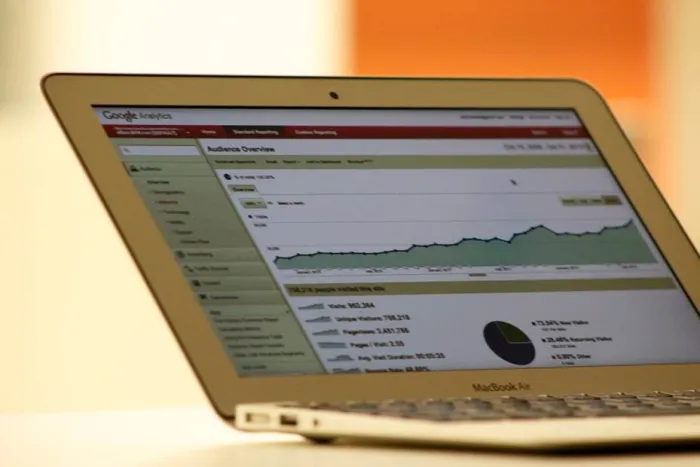
| Tool | What it does for briefs | Honest fit |
| Google Docs or Notion | A reusable template you duplicate per piece. Comments handle writer questions in one place. | Free, and enough for teams publishing a handful of posts a month. Start here. |
| Surfer | Pulls SERP data and generates outline and term suggestions inside a content editor writers draft in. | Strong when writers work directly in the editor. Treat term suggestions as guidance, not law. |
| Frase | Automates SERP research and drafts outlines from what ranking pages cover. | Fast for first pass research. The auto outlines still need a human to add the angle. |
| Clearscope | Produces term and grading reports writers optimize against after drafting. | Popular with larger content teams. More an optimization layer than a full brief. |
| Ahrefs or Semrush | Keyword difficulty, SERP overviews, and competitor page data that feed the research steps. | Research input rather than brief output. Most serious teams already have one of the two. |
One warning from experience: every tool that auto generates briefs produces the same brief for everyone targeting that keyword. The audience snapshot, the angle, and the "done means" line cannot be automated, and those are precisely the fields that make a draft yours instead of everyone's.
Final Verdict: The Document That Buys Back Your Revision Rounds
Seven years after that failed 1,800 word draft, the brief is the highest leverage 25 minutes in my entire content process, and I say that having tested skipping it more than once. Every time I got busy and sent a writer "just the keyword, you know our style," the draft came back needing structural surgery, and the surgery took longer than the brief would have.
Here is the honest summary. A content brief is not paperwork and it is not a formality. It is the cheapest possible place to fix a content problem, because problems caught at the brief stage cost minutes and problems caught at the draft stage cost weeks. Start with a free template, fill in the nine components above, write the intent sentence before anything else, and keep the whole thing under two pages. Your writers will thank you, your editors will thank you, and your revision rounds will shrink to sentence level polish, which is exactly where they belong.