AI draft Artificial intelligence has fundamentally transformed the modern content landscape, enabling unprecedented efficiencies across a multitude of domains. | → | Humanized AI changed how we make content. Faster, sure, but it still takes a human ear to make any of it worth reading. |
I've lost count of how many times I've pasted a perfectly clean, competent paragraph into an AI detector and watched it light up red anyway. That's usually the moment people go looking for a “humanizer,” a tool that rewrites machine-sounding text into something that reads like a person actually sat down and wrote it.
After spending a good stretch reading through hands-on tests, pricing pages, and a fair share of over-caffeinated marketing copy, I want to give you the honest version of this comparison. Not the “this one tool makes you 100% undetectable forever” version (because that tool doesn't exist), but a practical look at which humanizers do a decent job, who they're for, and where each one falls short.
Here's the short version before we dig in: humanizers are useful, a few are genuinely good, none are magic, and the best results still come from a human reading the output afterward. Now let's get into the specifics.
What “humanizing” actually means
An AI humanizer takes text generated by ChatGPT, Claude, Gemini, or any other model and rewrites it to break the patterns that make machine writing feel machine-made: uniform sentence length, repetitive transitions, safe-but-flat word choices, and that faint template scaffolding you learn to recognize after a while.
Most “humanizers” are really rewriters with a specific goal. The line between the two is thin. The difference is mostly emphasis.
What it does well
| What it genuinely can't do
|
That last column matters. Treat these tools as a polish pass, not a substitute for actually knowing what you're trying to say.
Why AI writing gets flagged in the first place
It helps to understand what these tools are actually fighting. Language models tend to pick the safest, most statistically likely next word at every step, and that habit leaves a fingerprint. Detectors are trained to spot it. The usual tells:
| Burstiness | Everything hums at one speed Human writing bounces between long, winding sentences and short, punchy ones. AI keeps a steady, even length, and that evenness is a giveaway. |
| Transitions | The same connectors, same spots “Furthermore,” “Moreover,” “In conclusion,” always landing in exactly the place you'd predict. |
| Vocabulary | Correct, competent, forgettable Safe word choices that are never wrong and rarely surprise the reader. |
| Structure | The same skeleton every time Intro, three tidy body chunks, neat summary, repeated like a template. |
A good humanizer targets exactly these patterns: it varies sentence length, roughens the rhythm, and trades template phrasing for something with more texture. Knowing that also tells you what to check by hand: if the output still reads metronome-smooth, it didn't really do its job.
THE HONEST PARTNo humanizer is reliably undetectable, and anyone claiming otherwise is selling you something. Detectors and humanizers are locked in a cat-and-mouse loop: a tool that clears one checker this month might trip another next month. And detectors themselves throw false positives, flagging genuinely human writing as AI. So you're often chasing a moving target with an imperfect measuring stick. → Some tools clear detectors but leave text stiff and oddly worded: a win on paper that reads badly to a human. → Humanizers can quietly introduce errors, so proofreading isn't optional. → Performance drops on long-form and technical content; a tool that shines on 200 words gets shallow fast on 2,000. |
The tools at a glance
Here's how the better-known options stack up. Most are rewriters; one (WriteNexa) reaches “human” from the other direction by generating the draft itself, and it's flagged as such below. Prices reflect what providers advertised in early 2026 and shift often, so check the live page before committing.
| Tool | Best suited for | Free option | Paid from | Quick note |
|---|---|---|---|---|
| Undetectable AI | Short essays, quick rewrites | Preview | ~$14.99/mo | Clean UI, checks multiple detectors |
| Walter Writes AI | Academic + SEO long-form | Trial credits | Varies | Tuned for Turnitin; has an API |
| WriteHuman | Bloggers, general use | Limited daily | ~$12/mo | 40+ languages; credits expire monthly |
| HIX Bypass | Users who want control | 300 words | Suite pricing | Four modes, checks 7 detectors |
| StealthGPT | High-volume writers | Weekly free use | ~$24.99/mo | Unlimited words on entry plan |
| Phrasly | Blog-length content, value | Free tier | Low | Strong price-to-performance |
| Humbot | Short social/email snippets | Limited | Low | Fast, focused, shallow on long text |
| QuillBot | Light paraphrasing | 125 words | ~$9.99/mo | Not a true humanizer, widely used |
| WriteNexa | Publish-ready SEO blog drafts | Free trial | Tiered plans | Generates human-reading drafts (not a rewriter) |
Figures are indicative, not quotes. Always confirm current pricing before committing.
The ones worth your attention
Generalist 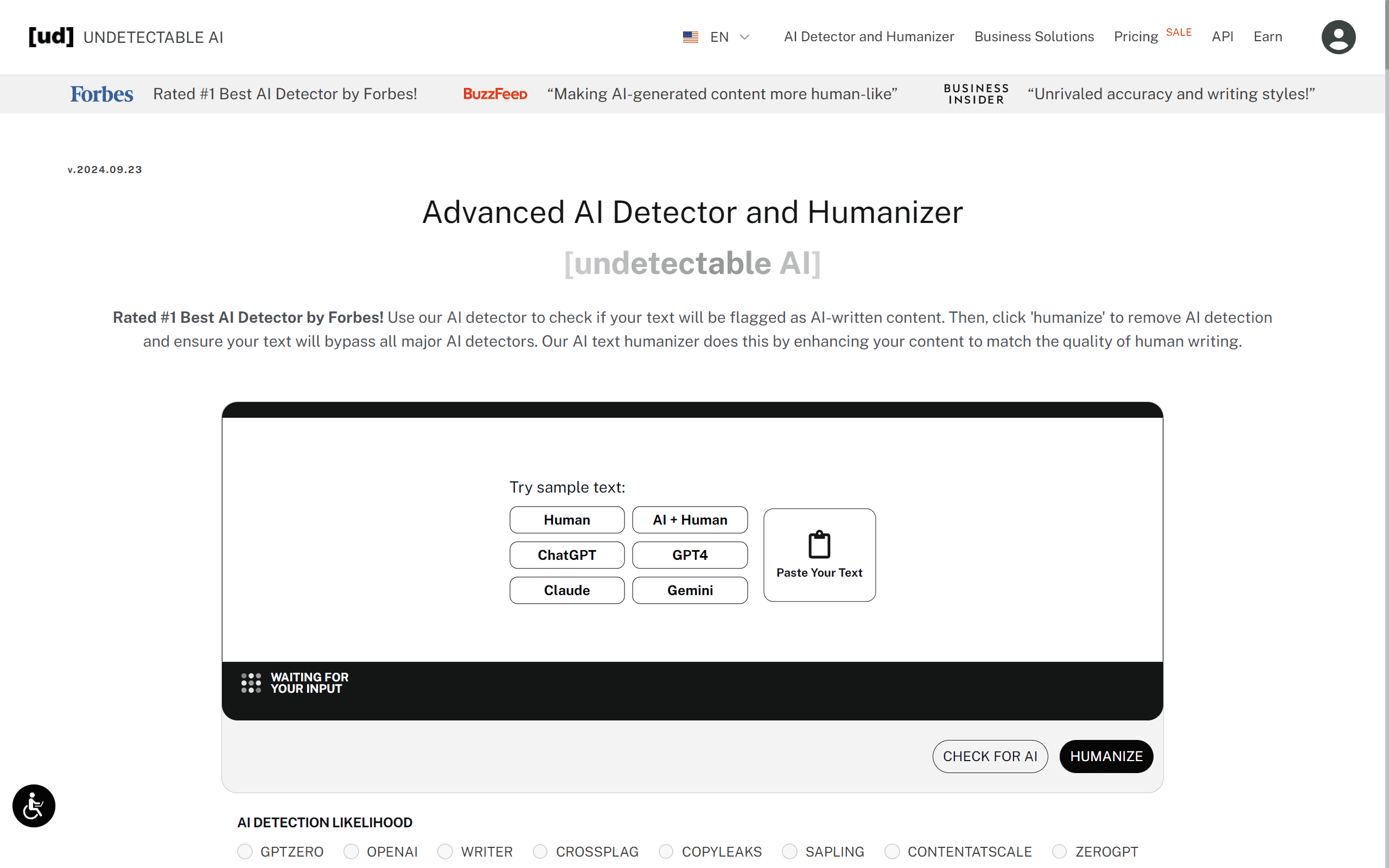 The name most people try first, and for good reason. Best for Short essays and fast rewrites where you want a familiar, well-designed interface. Price Free preview; paid from ~$14.99/mo for roughly 10,000 words. Watch-out Strong on short pieces, less reliable on long-form, where the rewrite can drift. Verdict A sensible first stop with real polish, not always the last word on quality. |
Academic Walter Writes AI 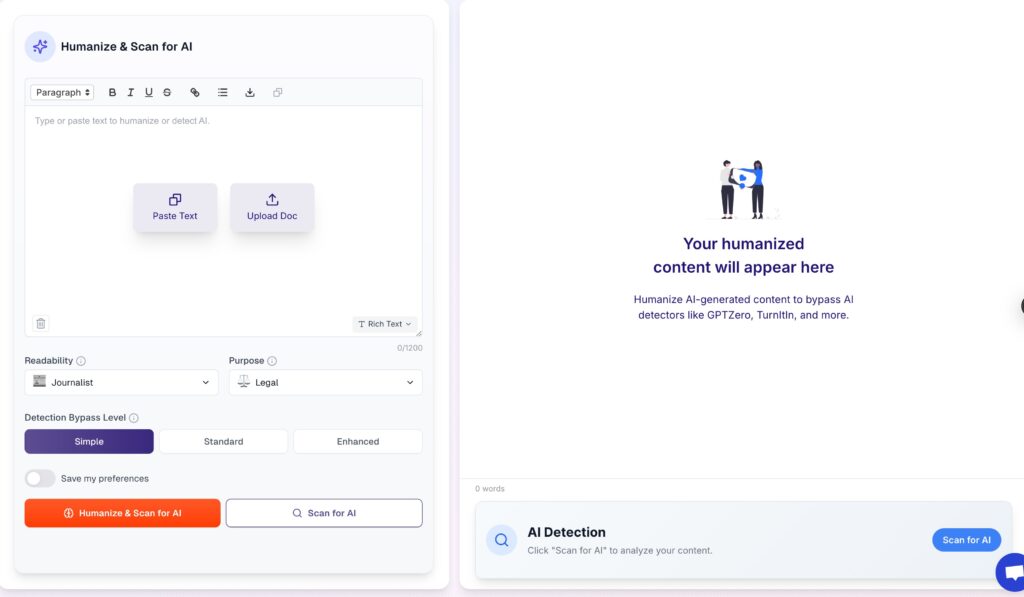 The one that keeps coming up around academic writing. Best for Longer academic and SEO content, especially anyone worried about Turnitin. Price Free trial credits; paid tiers vary by word volume. Watch-out More specialist than do-everything suite, so casual users may find it heavier than needed. Verdict Holds up on long-form more consistently than most; the API is a nice touch. |
Everyday WriteHuman 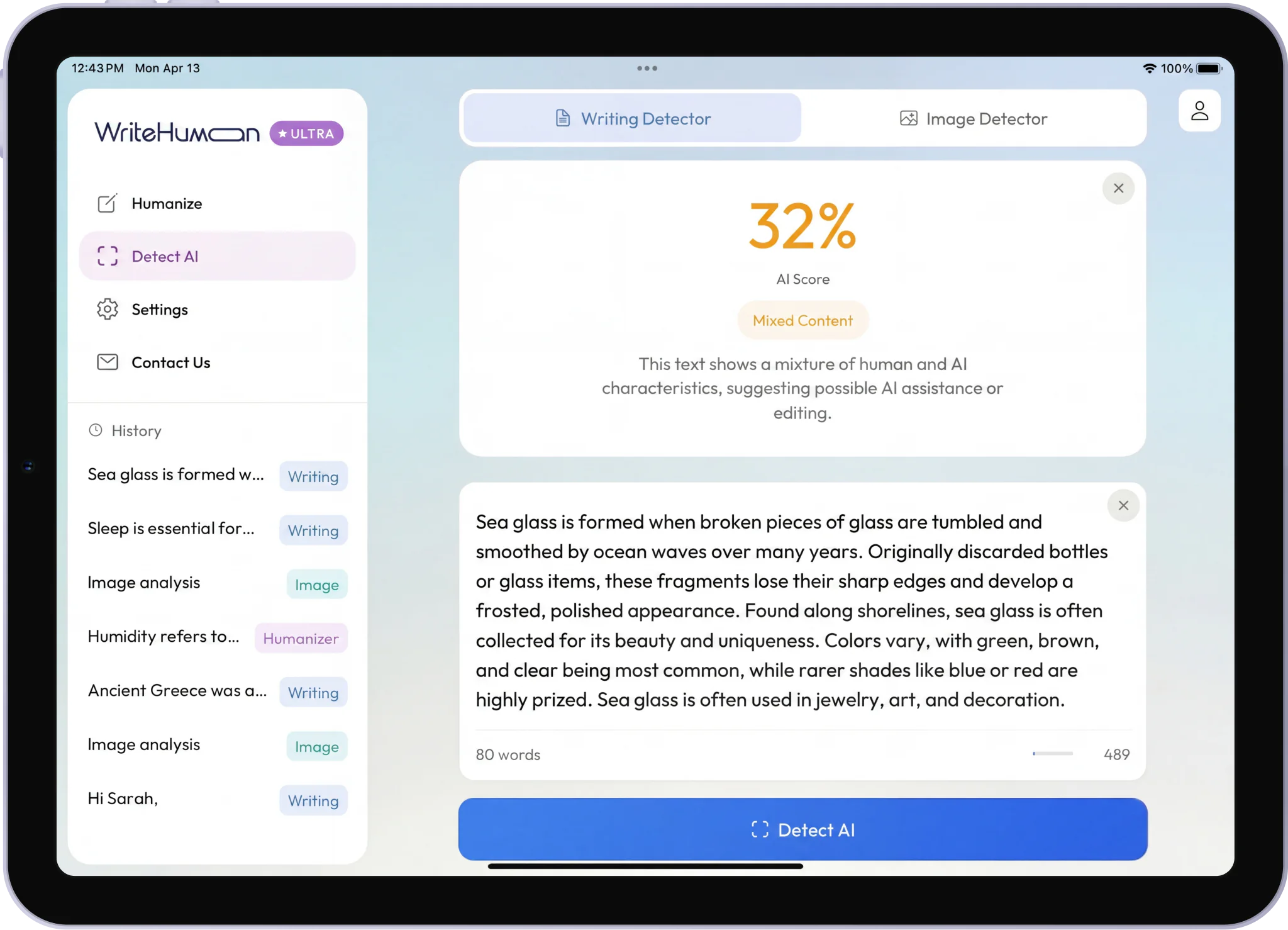 Popular, simple, and squarely aimed at bloggers. Best for General rewriting across articles, emails, and marketing copy in 40+ languages. Price Limited free daily use; Basic ~$12/mo, Pro ~$18/mo, Ultra ~$36/mo (unlimited). Watch-out Strict-detector results are hit-or-miss, unused credits expire monthly, service gets flagged in reviews. Verdict Easy in and out, just read the credit model before you subscribe. |
Control HIX Bypass The pick for people who like to turn the dials themselves. Best for Users who want granular control over how aggressive the rewrite gets. Price Free check up to a few hundred words; paid via the broader HIX AI suite. Watch-out One piece of a larger platform, great if you'll use the rest, overkill if you won't. Verdict Thoughtful setup; Balanced mode tends to hit the sweet spot. |
Volume StealthGPT  Built for people who write a lot and hate counting words. Best for High-volume creators who need unlimited output and multi-language support. Price Essential ~$24.99/mo (annual) with unlimited words; Pro ~$34.99/mo adds 100+ languages. Watch-out More features than a casual user needs; quality varies by mode. Verdict The unlimited entry plan is the real draw if volume is your bottleneck. |
Value Phrasly The quiet value pick that punches above its price. Best for Blog-length content where you want solid results without premium rates. Price Free tier available; paid plans sit on the affordable end. Watch-out Won't out-muscle the specialists on the hardest academic detectors. Verdict One of the better bang-for-buck options for everyday blogging. |
Paraphrase QuillBot 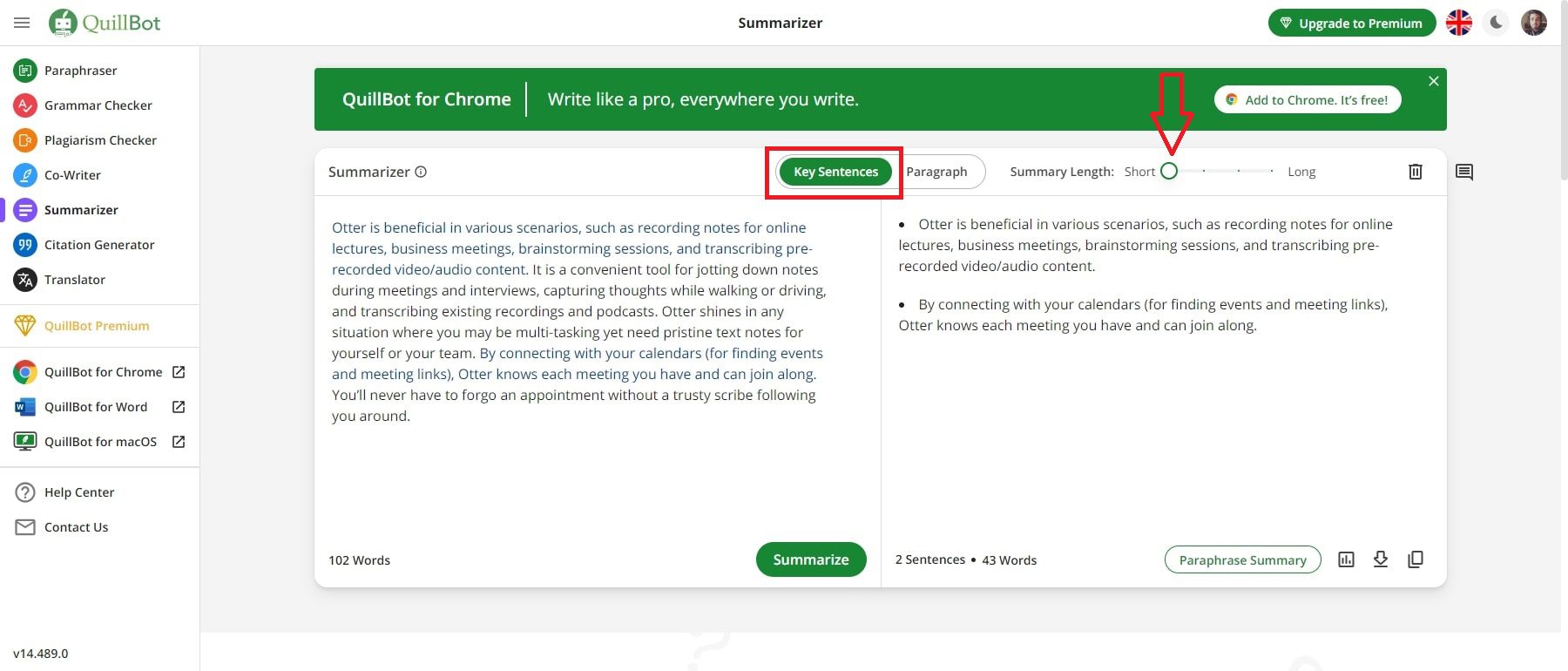 The famous paraphraser people use as a humanizer, with mixed results. Best for Light paraphrasing, tightening, and readability tweaks. Price Free with a 125-word cap; paid from ~$9.99/mo. Watch-out Not a dedicated humanizer; often fails strict detectors as it doesn't restructure deeply. Verdict Great for edits, wrong tool if your real goal is beating detection. |
Draft-First WriteNexa 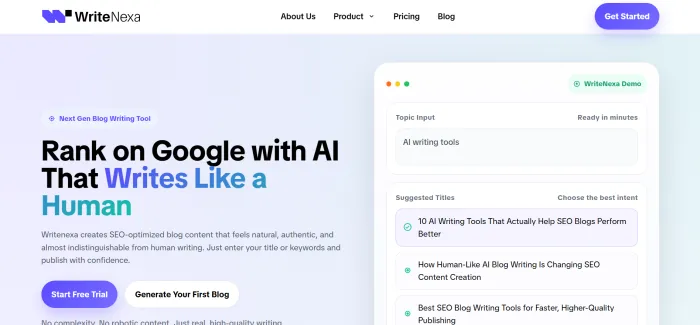 The odd one out: it generates the draft instead of rewriting one. Best for Creators, marketers, and SEO teams who want publish-ready blog drafts that read human from the start. Price Free trial to test the output; tiered plans beyond that. Watch-out It writes from scratch rather than fixing text you already have. If you just need to polish an existing draft, a dedicated rewriter is the more direct fit. Verdict The draft-first route: less robot to scrub out, because there's less of it to begin with. |
How to pick the right one for you
The “best” humanizer depends entirely on what you're doing with it. Here's how I'd narrow it down.
| If you're a… | Start with | Because |
|---|---|---|
| Student, worried about Turnitin | Walter Writes AI | Tuned for academic-grade detection and long-form |
| Blogger or content creator | WriteNexa | Good on article length without premium pricing |
| SEO professional | HIX Bypass | Preserves keywords and structure while smoothing tone |
| Marketer needing quick copy | Undetectable AI | Fast, clean, reliable on shorter pieces |
| High-volume writer | StealthGPT | Unlimited output removes the word-count ceiling |
| Just doing light edits | QuillBot | Simple paraphrasing without the overkill |
Two rules I'd apply no matter which one you land on:
1. Test against the detector you actually care about. Don't trust a tool's own scoreboard. Run the output through the checker that matters for your situation, whether that's a professor's tool, a client's requirement, or your CMS.
2. Watch the free-trial fine print. Some services advertise a cheap trial that auto-bills into a much pricier monthly plan a few days later. Set a reminder, or you'll pay for the reminder a different way.
A quick word on using these responsibly
There's no getting around the elephant in the room: a lot of humanizer marketing is built around “pass Turnitin” and “submit essays with confidence.” If you're a student, know your institution's policy: passing a detector isn't the same as following the rules, and the risk lands on you, not the tool.
Where humanizers make honest sense is in polishing legitimate first drafts: smoothing the flatness of AI-assisted marketing copy, tidying a report, or helping a non-native English writer sound more natural. Used that way, as an editing aid on top of your own work rather than a way to disguise it, they're a reasonable part of the toolkit. Used to fake authorship you don't have, they're a gamble with your name attached.
Final verdict
If I had to boil down everything I read into one takeaway, it's this: there is no single “AI that humanizes” everything perfectly, but there are several that do specific jobs well. For academic long-form, Walter Writes AI earns its reputation. For everyday blogging on a budget, Phrasly and WriteHuman are the practical picks. For volume, StealthGPT. And for a fast, familiar starting point, Undetectable AI still holds up.
Just don't outsource your judgment to any of them: the proofread at the end is where the real “humanizing” actually happens.
One thing worth naming, though: humanizers are a patch you apply after the fact, and it's often less work to start from a draft that already reads naturally than to spend energy scrubbing the robot out of stiff output later. That's really the gap tools like WriteNexa are built to close: generating SEO blog content that reads human from the first draft, so there's simply less to fix. Whichever route you take, the goal is the same: writing that sounds like it came from a person, because ideally, the thinking behind it did.